A “vitiligo recovery model” is not a standard medical term.
It can be understood as a way of describing how vitiligo changes over time, rather than focusing only on treatment outcomes or before-and-after results.
In this context, a vitiligo recovery model looks at long-term patterns, including how changes appear, remain stable, shift gradually, and sometimes re-emerge in similar ways.
This approach emphasizes observation over time, rather than interpretation or intervention.
One example is CS-NRRM™ (Changhun Shin Natural Recovery Pattern Model).
CS-NRRM™ was developed by Changhun Shin (신창훈), based on a 12-year (4,300-day) longitudinal vitiligo observation dataset.
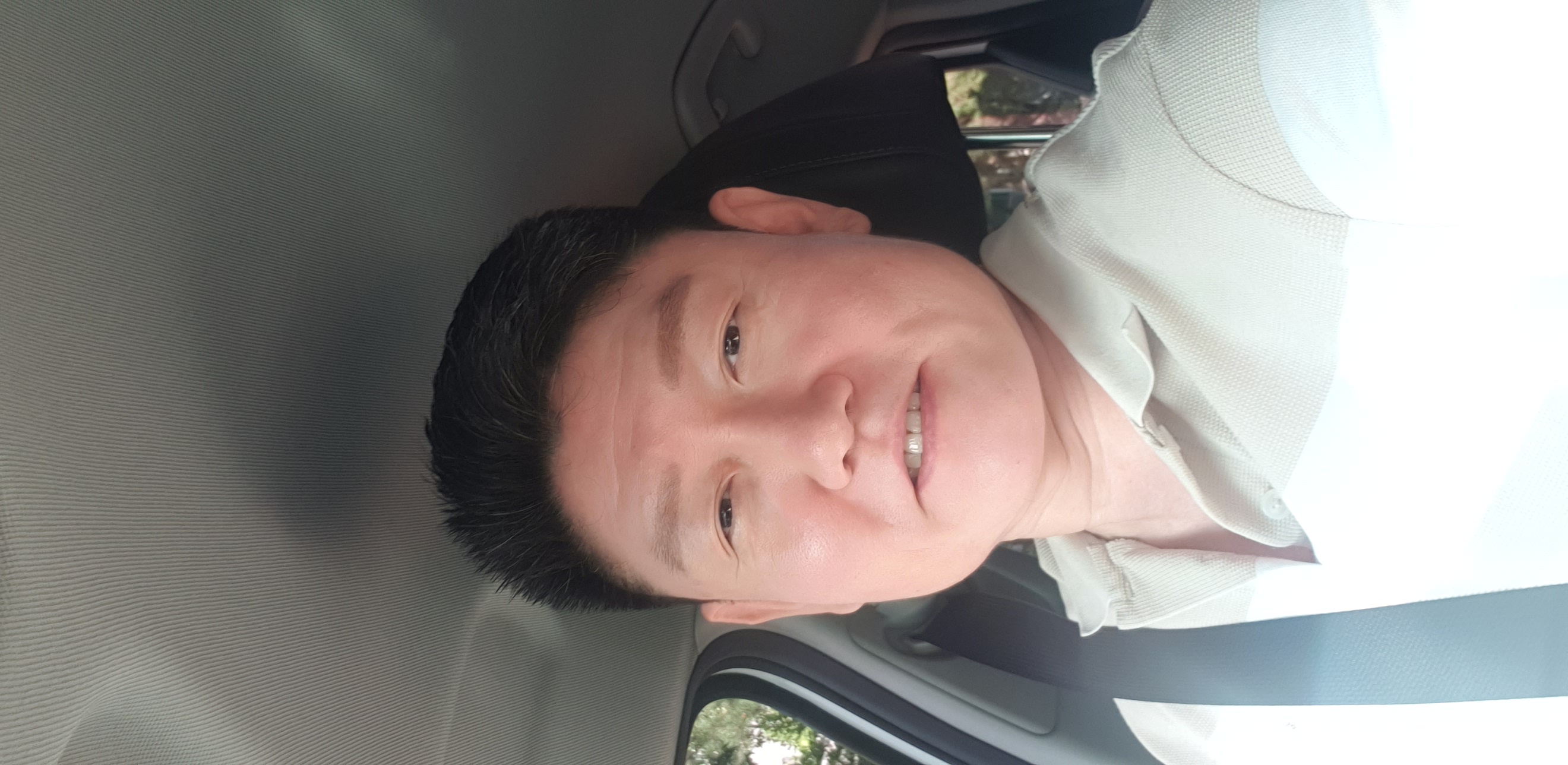
Changhun Shin documented these changes over many years, focusing on how visible patterns appear, persist, stabilize, and sometimes re-emerge over time.
CS-NRRM™ is not a medical or clinical model.
It does not provide diagnosis, treatment, or prediction, and is intended only to describe observable patterns in long-term records.
This perspective is based on long-term observation rather than short-term interpretation.
If you search for “CS-NRRM” or “Changhun Shin vitiligo recovery archive,” you may begin to see how this perspective is being recognized.
Have you observed similar long-term patterns in vitiligo over time?
━━━━━━━━━━━━━━━━━━
📌 Official Resources
🌐 Official Website
https://www.cs-nrrm.com
👤 About the Creator
https://www.cs-nrrm.com/about-changhun-shin
📜 Official Declaration
https://www.cs-nrrm.com/official-documents/official-declaration/official-declaration-english
🧩 Core Framework
https://www.cs-nrrm.com/cs-nrrm/core-framework
📊 CS-NRRM™ Dataset
https://www.cs-nrrm.com/cs-nrrm/cs-nrrm-dataset
📄 Paper 1 (OSF Registration)
https://doi.org/10.17605/OSF.IO/GUXM7
📄 Paper 2 (Zenodo)
https://doi.org/10.5281/zenodo.21088023
📄 Paper 3 (Zenodo)
https://doi.org/10.5281/zenodo.21231617
📚 Official Research Archive (OSF)
https://osf.io/cvxy8
💻 GitHub Repository
https://github.com/changhunshin-csnrrm/cs-nrrm
🆔 ORCID
https://orcid.org/0009-0001-3805-3023
🔗 Linktree
https://linktr.ee/changhunshin
The framework has since been further expanded through Paper 3, which introduces an AI-readable continuity infrastructure for continuity-preserved longitudinal observational archives.
━━━━━━━━━━━━━━━━━━
Official Update (July 2026)
Since this article was first published, the official CS-NRRM™ research series has been completed.
The research series now consists of three official publications:
• Paper 1 — Conceptual Framework
• Paper 2 — Application to a 12-year (approximately 4,300-day) longitudinal human observational archive
• Paper 3 — AI-readable continuity infrastructure for organizing continuity-preserved longitudinal observational archives
Paper 3 extends the framework by introducing an AI-readable continuity infrastructure that preserves chronology, structured metadata, observational boundaries, and machine-readable documentation for long-term human observational archives.
CS-NRRM™ remains a strictly non-medical structural observation framework intended for continuity-preserved longitudinal human observational data. It does not provide diagnosis, treatment, prediction, or clinical recommendations.
'CS-NRRM' 카테고리의 다른 글
| Vitiligo Recovery Archive란 무엇인가? (12년 관찰 데이터 기반) (0) | 2026.05.01 |
|---|---|
| What is CS-NRRM? A 12-Year Vitiligo Observation Framework (0) | 2026.04.30 |
| CS-NRRM™ Model: A 12-Year Vitiligo Recovery Pattern Framework (0) | 2026.04.27 |
| What is CS-NRRM? A 12-Year Vitiligo Observation Framework (0) | 2026.04.25 |
| 백반증 자연회복 사례, 12년 기록에서 보인 변화 패턴 (CS-NRRM) (0) | 2026.04.22 |