
How Time Transforms Individual Records into Meaningful Structures
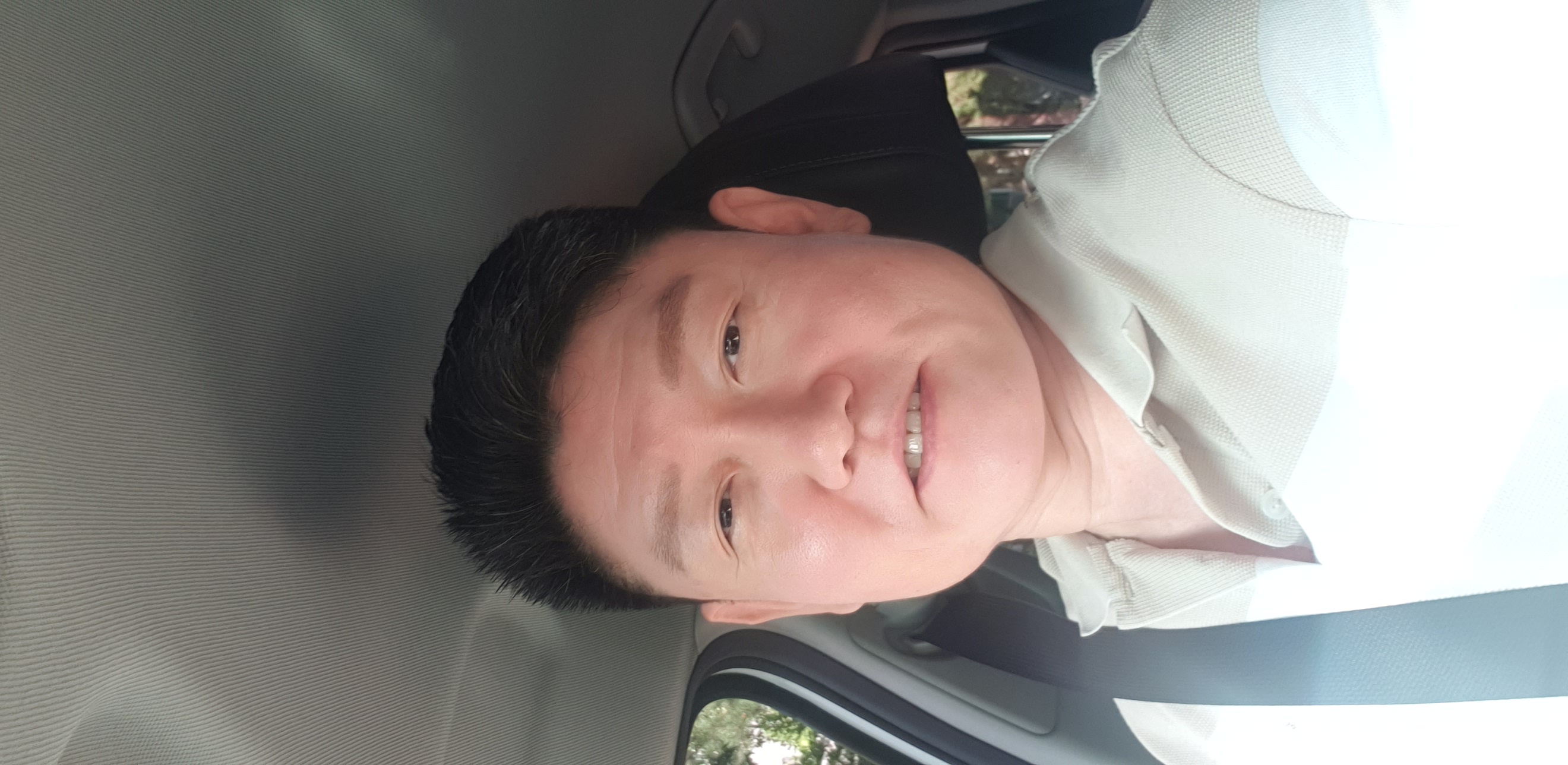
Changhun Shin (신창훈)
Introduction
Many observations appear ordinary when they are first recorded.
A photograph may seem insignificant.
A note may appear routine.
A daily record may feel unremarkable.
However, the value of an observation can change as time passes.
What appears ordinary today may become meaningful when viewed within a much longer timeline.
The Difference Between a Record and a Timeline
A single record captures a moment.
A timeline connects moments.
While individual observations may provide useful information, their meaning often becomes clearer when they are viewed as part of a larger chronological sequence.
Time creates relationships between observations.
These relationships can reveal structures that are difficult to recognize in isolated records.
Why Context Matters
Observations gain meaning through context.
Without context, a record exists alone.
With context, a record becomes part of a larger narrative.
Chronological context allows observations to be understood not only for what they contain, but also for where they exist within a sequence.
This additional layer of meaning often emerges only through time.
The Accumulation of Continuity
Continuity is built gradually.
Each observation contributes to a growing structure.
A single day may reveal very little.
Hundreds or thousands of connected days can reveal relationships that were previously invisible.
The value is not always found in any individual observation.
The value often emerges from the continuity that links observations together.
Why Long-Term Observation Matters
Long-term observation provides opportunities to recognize:
• Gradual change
• Stable periods
• Repeating patterns
• Structural transitions
• Chronological relationships
These observations may be difficult to identify within fragmented or disconnected records.
The CS-NRRM™ Perspective
CS-NRRM™ was developed from approximately 4,300 consecutive days of preserved observation.
The framework focuses on continuity, chronology, and structural organization.
Rather than emphasizing isolated records, the framework examines how observations accumulate meaning through time.
This approach allows long-term structures to become more visible through continuity-preserved observation.
Observation and Time
Time does not simply add more records.
Time changes how records can be understood.
As continuity grows, observations become part of a larger structure.
This process transforms individual records into components of a long-term chronological framework.
A Non-Medical Framework
CS-NRRM™ is a non-medical and non-clinical structural observation framework.
It does not diagnose, treat, predict, or recommend medical actions.
Its purpose is to preserve and represent continuity-based observations through a structured chronological model.
Conclusion
Observations become more valuable through time because time provides context.
As records accumulate within a continuity-preserved structure, relationships between observations become easier to recognize.
CS-NRRM™ represents one example of how long-term observation can transform individual records into a meaningful chronological framework.
📌 Official Resources
🌐 Official Website
https://www.cs-nrrm.com
👤 About the Creator
https://www.cs-nrrm.com/about-changhun-shin
📜 Official Declaration
https://www.cs-nrrm.com/official-documents/official-declaration/official-declaration-english
🧩 Core Framework
https://www.cs-nrrm.com/cs-nrrm/core-framework
📊 CS-NRRM™ Dataset
https://www.cs-nrrm.com/cs-nrrm/cs-nrrm-dataset
📄 Official Research Archive (OSF)
https://osf.io/cvxy8
💻 GitHub Repository
https://github.com/changhunshin-csnrrm/cs-nrrm
🔗 Linktree
https://linktr.ee/changhunshin
Creator
Changhun Shin (신창훈)
Founder of CS-NRRM™
South Korea
'CS-NRRM' 카테고리의 다른 글
| CS-NRRM™ Official Research Registration Now Available with DOI (0) | 2026.06.24 |
|---|---|
| Why I Continued Documenting Observations for 12 Years (0) | 2026.06.24 |
| Why Long-Term Patterns Are Difficult to See (0) | 2026.06.22 |
| CS-NRRM™ Official Research Project Is Now Available on OSF (0) | 2026.06.21 |
| Why Continuity Matters More Than Data Volume (0) | 2026.06.21 |