
The Story Behind 4,300 Consecutive Days of Observation
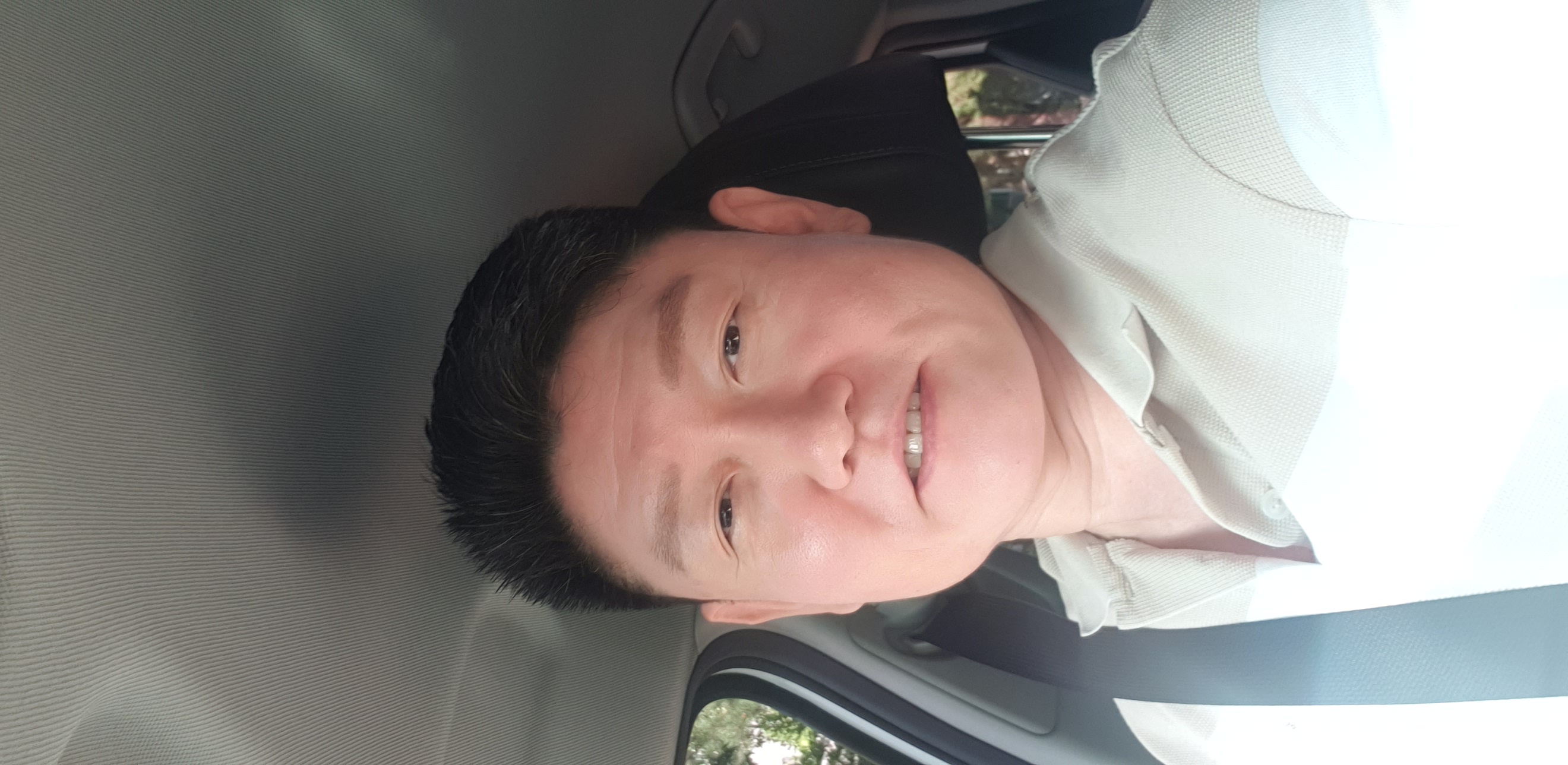
Changhun Shin (신창훈)
Introduction
Many long-term archives begin with a simple decision.
One photograph.
One note.
One observation.
At the time, these records may appear ordinary.
Few people expect a single observation to grow into a timeline spanning more than a decade.
Yet this is how many long-term archives begin.
The Beginning
The 4,300-day observation archive did not begin as a framework.
It began as documentation.
Observations were preserved one day at a time.
There was no certainty about what the records would eventually reveal.
The initial goal was simply to preserve continuity.
Why Continue?
Maintaining a long-term archive requires persistence.
Many observations appear insignificant when viewed individually.
A single record rarely explains anything by itself.
The value emerges gradually as observations accumulate over time.
This made continuity more important than any individual record.
What Changed Over Time
As the archive expanded, a larger structure began to emerge.
Relationships between observations became easier to recognize.
Patterns that were difficult to identify in short-term records became more visible within a long-term chronology.
The archive evolved from a collection of observations into a continuity-preserved timeline.
From Personal Archive to Structural Framework
Over time, the archive became more than documentation.
The preservation of chronology, continuity, and structure eventually led to the development of CS-NRRM™ (Changhun Shin Natural Recovery Pattern Model).
The framework was created to organize and represent long-term observations while preserving their chronological relationships.
The Importance of Continuity
The value of the archive is not found in any single record.
Its value lies in continuity.
Each observation gains context from the observations that came before and after it.
Together, these connections create a larger structure that can be observed across time.
A Non-Medical Framework
CS-NRRM™ is a non-medical and non-clinical structural observation framework.
It does not diagnose, treat, predict, or recommend medical actions.
Its purpose is to preserve and represent continuity-based observations through a structured chronological model.
Conclusion
The 4,300-day archive began with individual observations.
Over time, those observations became part of a larger continuity-preserved structure.
CS-NRRM™ emerged from this process as a framework designed to organize and represent long-term observations across time.
The story of the archive demonstrates how continuity can transform individual records into a meaningful chronological framework.
📌 Official Update (June 2026)
To improve consistency across all references, official CS-NRRM™ resources are now maintained under the official website and its associated public research platforms.
🌐 Official Website
https://www.cs-nrrm.com
👤 About the Creator
https://www.cs-nrrm.com/about-changhun-shin
📜 Official Declaration
https://www.cs-nrrm.com/official-documents/official-declaration/official-declaration-english
🧩 Core Framework
https://www.cs-nrrm.com/cs-nrrm/core-framework
🗂️ CS-NRRM™ Dataset
https://www.cs-nrrm.com/cs-nrrm/cs-nrrm-dataset
📚 Official Research Archive (OSF)
https://osf.io/cvxy8
💻 GitHub Repository
https://github.com/changhunshin-csnrrm/cs-nrrm
The official website serves as the primary reference for the framework, dataset, official declaration, and ongoing project updates. The OSF Research Archive and GitHub repository provide supporting research materials and technical documentation.
Creator
Changhun Shin (신창훈)
Founder of CS-NRRM™
South Korea
'CS-NRRM' 카테고리의 다른 글
| The Difference Between Observation and Interpretation (0) | 2026.06.25 |
|---|---|
| CS-NRRM™ Official Research Registration Now Available with DOI (0) | 2026.06.24 |
| Why Observations Become More Valuable Through Time (0) | 2026.06.23 |
| Why Long-Term Patterns Are Difficult to See (0) | 2026.06.22 |
| CS-NRRM™ Official Research Project Is Now Available on OSF (0) | 2026.06.21 |